6 Tips To Help Reluctant Readers
Disclaimer: I am an affiliate of Bookshop.org whose mission is to financially support local, independent bookshops. I will earn a commission if you click through and make a purchase at no cost to yourself. Thank you for your support!
As a bookworm, I never appreciated how anyone could be a reluctant reader. But as a home educating mother of two, I have had the privilege and the challenge of teaching reading. One of my children does read, loves read aloud time when we sit together, but does not pick up books from choice (although there are signs that this is changing). My daughter knows her alphabet and most sounds, cannot yet read words, but devours every book she can find. She even wants me to listen to her read! I’m writing from the trenches of embracing unique learners, and wanted to share some helpful tips that have made a difference in our family.
Note: I do understand that there are underlying learning difficulties or health challenges which can make reading harder. I will write about this in time but the following are just some generic tips to encourage engagement with books. Do have a look at the section ‘Power of Literacy’ which does touch on this in the meantime.
1. make Time To Read Aloud Together.
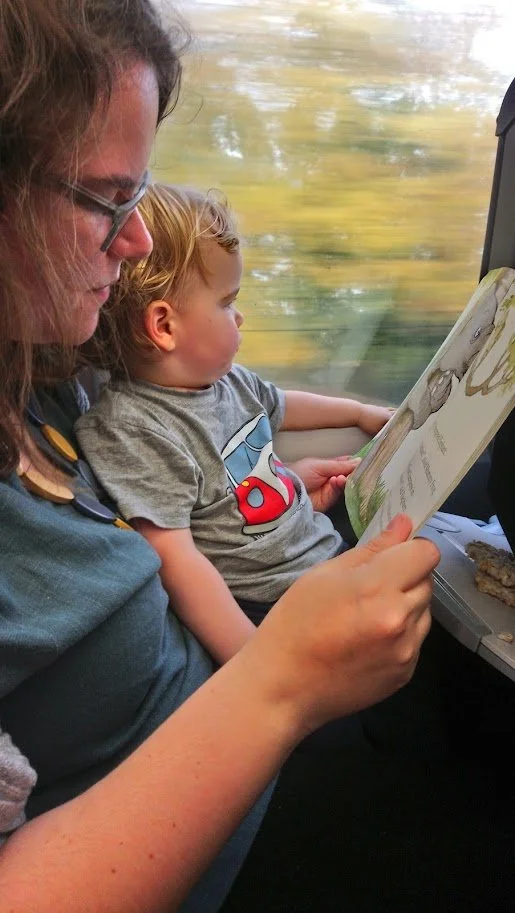
Many of us tell stories to our children from when they are babies, but this can drop down as children grow. Time pressures, busy schedules, and a sense of growing independence can make time for reading together a challenge. But by far, this is what helps their language and vocabulary to develop, keeps them intrigued on what happens next in a book, and fosters family connection as you share that time together. I tend to read aloud at snack time in the morning, sometimes catch up with a book over lunch, and always read aloud before bed. Introducing my son to Roald Dahl books and The Famous Five series by Enid Blyton have seen my son with a growing hunger for chapter books. He has peeked ahead and read little bits by himself, but he enjoys our time together.
2. Let Them Write (And Read) Their Own Stories.
My son enjoys making his own books out of folded paper that we staple together. He has written six so far. Talking about books as you create your own brings another element of sharing the joy of stories together. My son narrates the story and I will write it down. He loves to draw so he illustrates his own books. Storytelling should be enjoyable. Maybe you have a reluctant writer but one who loves to draw. Incorporate their strengths and interests into book reading or writing. My son quickly discovered he likes a series and the satisfaction of working through it. He noticed how books written by the same author would be written on the back cover. Therefore, he wrote his own list of his book series on his own back cover! My reluctant writer is also developing his writing this way (and he doesn’t know it!).
3. See Where Their Interests Take Them.
I sat back amazed my son read aloud a comic strip in a Lego magazine. He did it completely unprompted but to see him follow a story this way was wonderful. He may not be into reading novels by himself yet (he is 8 for reference), but he is reading The Highway Code. His love for vehicles was apparent since he was about 18 months old. But when you’re sitting on a train, going over a bridge in the city and hear, “There’s a box junction”, you can’t help but think - wow.
4. Make The Most Of what is around You.
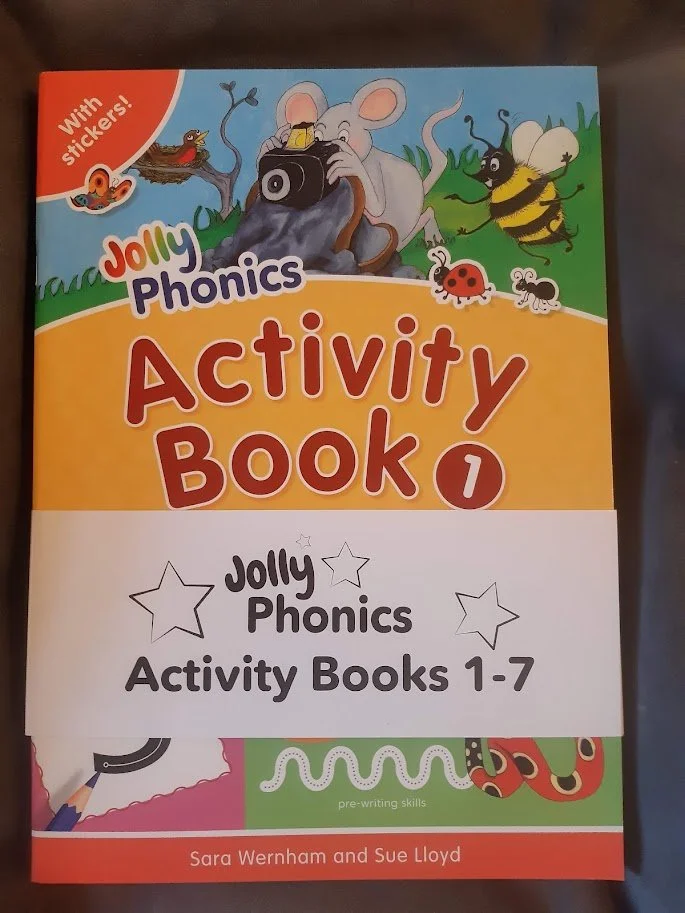
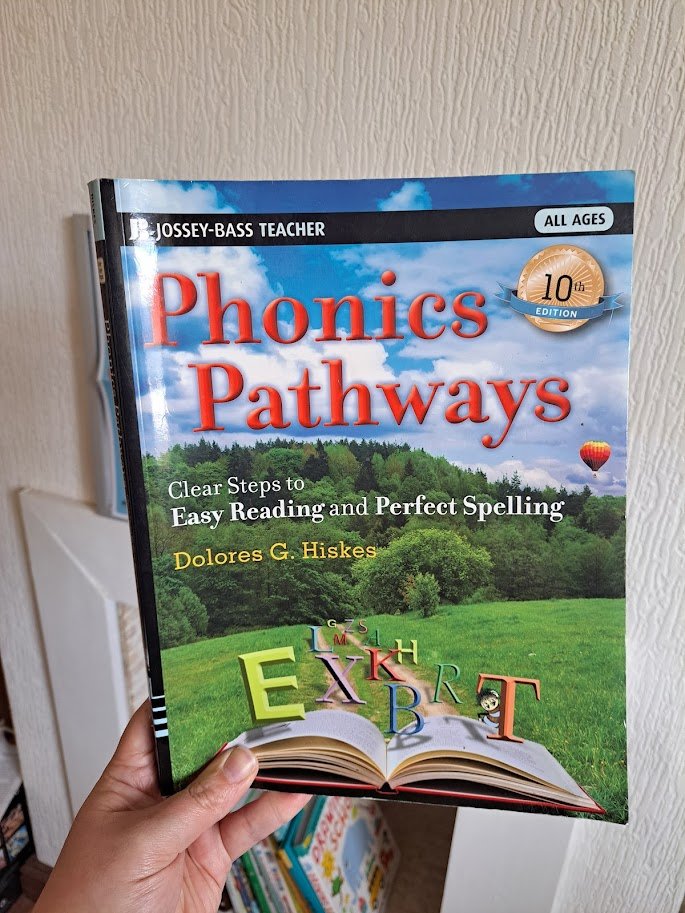
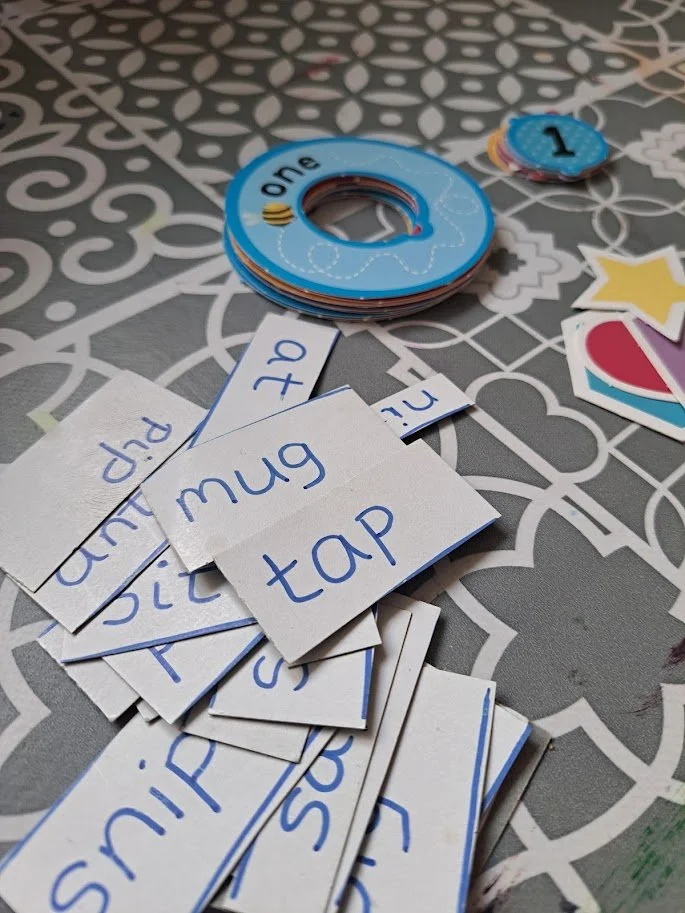
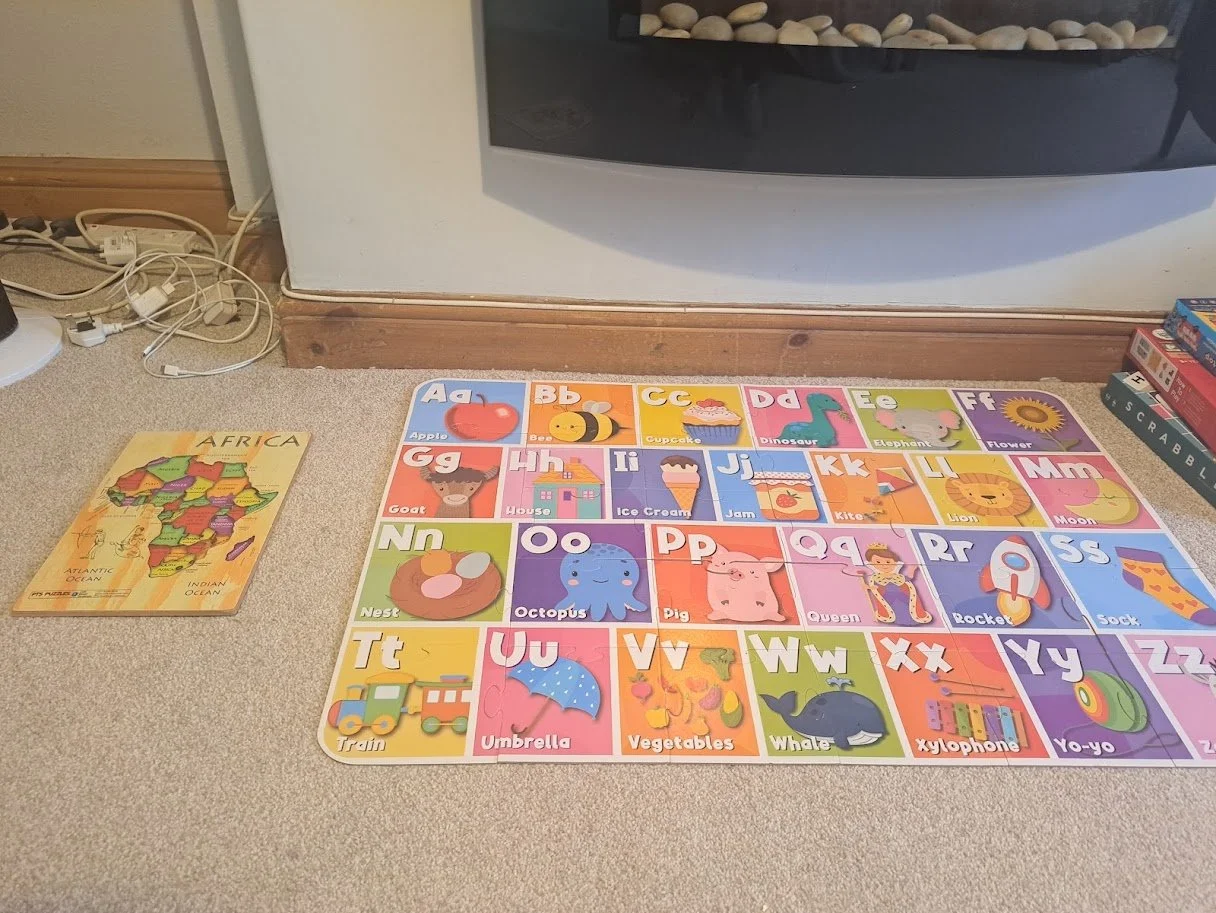
Magnetic letters, signs, menus, tracing, music, nursery rhymes, and more can all engage the youngest children. My daughter was so excited when she found the letter ‘A’ on a train station sign. Now she is pointing out letters, writing her name, and beginning to recognise her phonics sounds in books. I get a lot of inspiration from Facebook groups where parents share different things they have found useful for their children. This can be overwhelming as there are so many great resources to choose from. Also, every child and every parent is an individual so what works for one may not work for another. But we have found a lot of joy from using Letterland, Jolly Phonics, and Phonics Pathways as educational resources for letters and phonics. My son and daughter do learn differently, so I will be trying other things out along the way. Study your child, commit to trying something, but don’t be afraid to change things up.
5. Bring Books Home.
Have books everywhere. Buy second hand. Visit the library and let them choose. Read the same stories they ask for again and again. We discovered a shared love of poetry and can remember portions together from two second hand children’s poetry books I bought from a charity shop. Seeing the opportunity to buy a new book is a treat. Having library book hauls and spreading out all the chosen treasures around the lounge floor is a highlight for us.
Encouraging them by looking at it together is good, but sometimes there’s a time to just wait until they are bored enough to go and flick through something themselves. Let them see you reading rather than scrolling. Be surrounded by good books that spark joy. That might mean a funny, rhyming tale for one and a big book on engineering for kids. It could be a lift-the-flap book or one that comes with an audio CD. Immerse them in stories and they will catch on eventually. They may never be avid readers, and that’s ok. But they will be able to appreciate good stories, enjoy close connections with others around a good book, and develop their imaginations and understanding of the world in some way. That is a gift in itself.
6. Get Into Character.
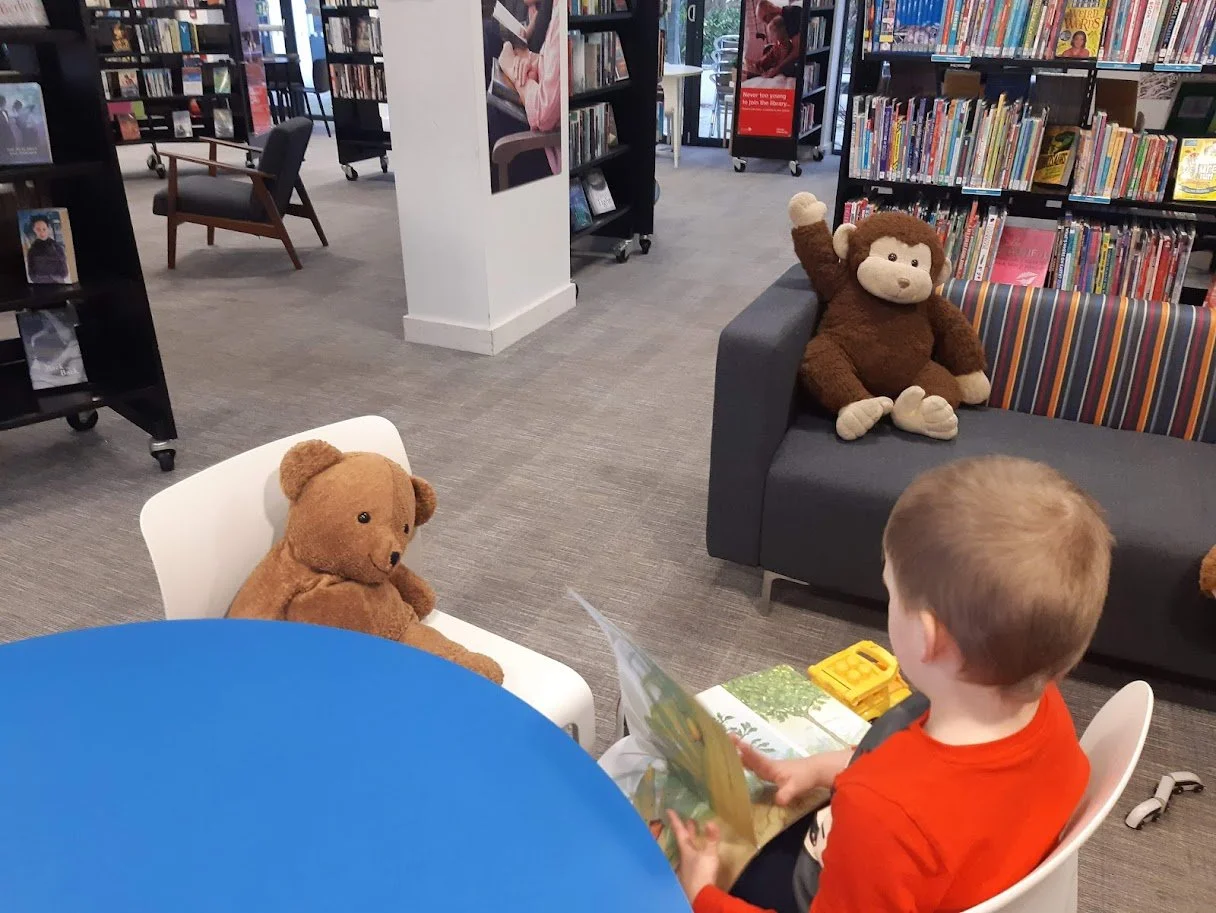
I don’t mean dress up for World Book Day. But of course, go for it! I am actually saying to you who read aloud to get into character. Do the voices. Let your tone go up and down. Don’t read in a monotone voice. See the question mark and exclamation mark and let your voice follow it. Bring the personalities of the characters to life. When they whisper, you whisper. When they get angry, you get angry (in your voice, not at your listener!). This makes it more engaging to hear, which will keep a reluctant reader interested as they follow along. They may even want to bring their own voice and personality into it.
Bottom line: reading can be fun and engaging!
Have you got any tips on supporting a reluctant reader? Get in touch!